Commercial rooftop
Application: ballasted or attached array on a low-slope roof. Interface questions: module length versus walk pads, clamp zones, fire-path gaps. RFQ unit: modules per roof area the buyer already measured.
Qualified buyer support
Factory quote coordination with up to 3% sourcing support where the review qualifies.
Eligibility applies to qualified business buyers and is confirmed after we review your product, quantity, destination, and sourcing requirements.
When a buyer looks for us solar module manufacturers, EverPoint Procurement writes the project context first. Domestic assembly, imported laminates or a mixed bill of materials can all appear in replies. The desk does not decide origin policy and does not claim to be a manufacturer.
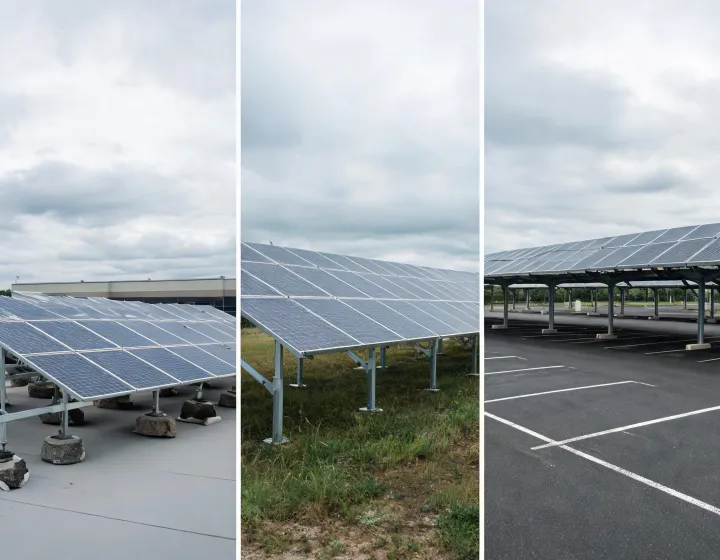
Application: ballasted or attached array on a low-slope roof. Interface questions: module length versus walk pads, clamp zones, fire-path gaps. RFQ unit: modules per roof area the buyer already measured.
Application: fixed tilt or tracker rows. Interface questions: pile or torque-tube hole pattern, cable length, rear-side exposure if bifacial is under discussion. RFQ unit: modules per row or per block.
Application: elevated parking structure. Interface questions: headroom, drainage, snow or wind load the structural engineer will check. RFQ unit: modules per canopy bay.
Application: subscriber blocks that may energize in phases. Interface questions: spare-module count and whether later blocks must match the first cell format. RFQ unit: modules per phase.
Application: modules feeding a DC bus that may also see a battery. Interface questions: maximum system voltage and whether coupling choices belong to the inverter buy, not this laminate buy. RFQ unit: modules for the PV line only.
Unit price versus delivered scope: a factory reply can look inexpensive per module while leaving freight, duty, spare connectors and the current datasheet out of the line. The other reply can include those items and look higher before the scopes match. EverPoint Procurement records both columns. It does not publish a savings percentage.
Central or string conversion versus module-level electronics: some buyers want a plain laminate and a separate inverter conversation. Others expect module-level devices in the same purchase. Those are different bills of materials. Similar watt labels do not prove the junction box, connector or monitoring path is the same. AC-coupled and DC-coupled storage choices sit with the power-electronics scope, and this page does not treat either architecture as a default for the module buy.
US solar module manufacturers may be asked for factory location, assembly notes and listing files. Those answers belong to the supplier who quotes. A search phrase is not a roster, and EverPoint Procurement does not certify domestic content. Open-circuit voltage, maximum power voltage and string current still have to be read from the proposed datasheet at a stated test condition. Temperature coefficient of maximum power, in percent per degree Celsius, is another field to request when the engineer of record needs it.
Continue with the module inquiry list, the quotation worksheet, the 460 W comparison flow, the desk form, or the procurement brief.
Name the module, setting, release quantity and US destination. Add an optional budget with currency and per-module or whole-order basis, plus a high-end, mid-range, budget or undecided supplier preference. Leave structural sign-off and interconnection approval on the unresolved list.